
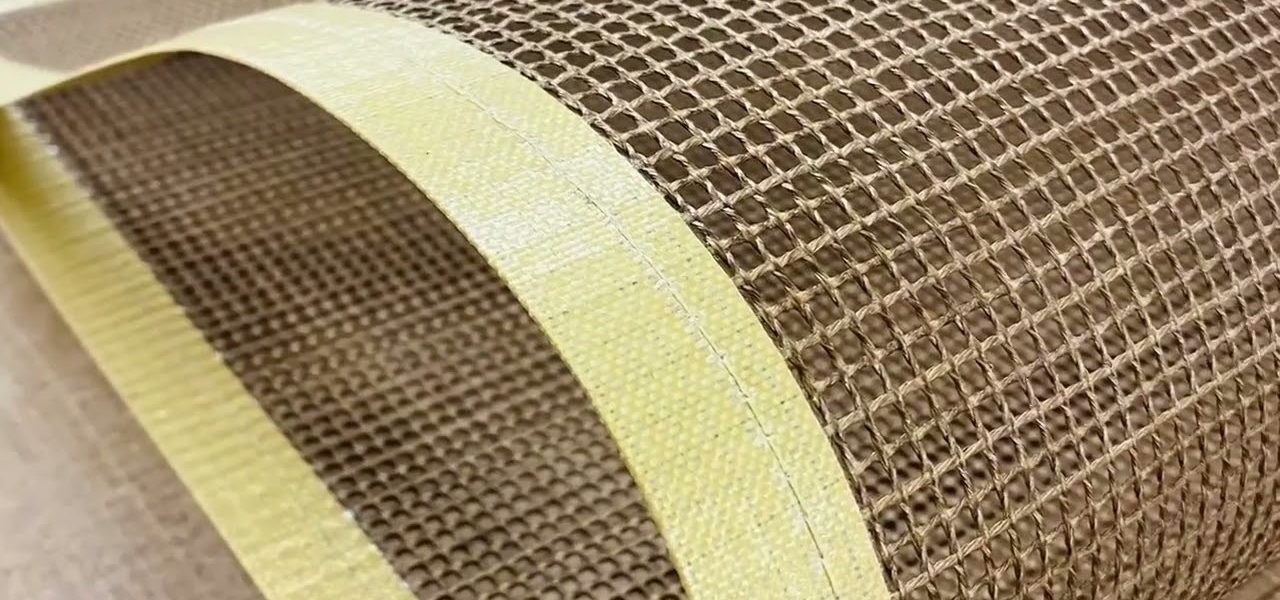

Polytetrafluoroethylene (PTFE) belts, particularly those from EDER, have emerged as a pivotal component in enhancing production efficiency across various industries. These belts are renowned for their exceptional properties, including high thermal resistance, chemical inertness, and non-stick capabilities. As industries strive to optimize processes and reduce downtime, PTFE belts offer a robust solution that significantly contributes to improved productivity.
One of the primary advantages of PTFE belts is their ability to withstand extreme temperatures. This characteristic makes them ideal for applications involving heat-intensive processes such as drying or curing. Industries like food processing, textiles, and packaging benefit immensely from these belts because they maintain structural integrity and performance even under continuous exposure to elevated temperatures. This durability translates into fewer belt replacements and reduced maintenance costs over time.
Moreover, the non-stick nature of PTFE surfaces ensures minimal material adherence during operations. In sectors where sticky substances are processed—such as adhesives or certain food products—this property is invaluable. It prevents product build-up on the belt surface, thereby reducing cleaning intervals and minimizing production stoppages due to residue accumulation. Consequently, this leads to smoother operations and enhanced throughput.
Chemical resistance is another hallmark of PTFE belts from EDER. They can resist corrosive chemicals commonly used in manufacturing environments without degrading or losing functionality. This resistance extends the lifespan of the belts considerably compared to traditional materials that might succumb quickly when exposed to harsh chemicals. Thus, businesses experience less frequent disruptions caused by belt failures or necessary replacements.
EDER’s commitment to quality further amplifies these benefits by ensuring each PTFE belt meets stringent industry standards before reaching customers’ facilities. The precision engineering involved in their manufacture guarantees consistent performance across diverse applications while allowing customization options tailored specifically for unique operational needs.
In addition to physical attributes like heat tolerance and chemical resilience, PTFE belts contribute positively towards energy efficiency within production lines too. Their low friction coefficient means less power is required for movement along conveyor systems; this reduction in energy consumption not only lowers operational costs but also aligns with sustainable practices increasingly favored by modern enterprises aiming at environmental responsibility.
Furthermore, integrating EDER’s advanced PTFE technology within existing systems often results in streamlined workflows through automation enhancements enabled by reliable conveyance solutions offered by these superior quality belts.
In conclusion, adopting PTFE belts from EDER represents a strategic investment towards maximizing industrial efficiency through enhanced durability under challenging conditions coupled with operational cost reductions via decreased maintenance requirements alongside bolstered eco-friendly initiatives driven by lower energy demands—all culminating into an optimized productive environment suited perfectly for today’s competitive market landscape.
